Concrete Care
Hansen’s Garden Ornaments General Concrete Care and Maintenance for Fountains, Planters and Birdbaths.
CONGRATULATIONS, YOU ARE NOW THE PROUD OWNER OF A HANSEN'S ORNAMENT!
Our cast stone products are created with a proprietary blend of concrete to tolerate our varied Canadian weather conditions. You can expect your garden ornament to provide you with many years of enjoyment if certain care and maintenance is applied.
FOUNTAINS

With a little care, your fountain will last for decades to come!
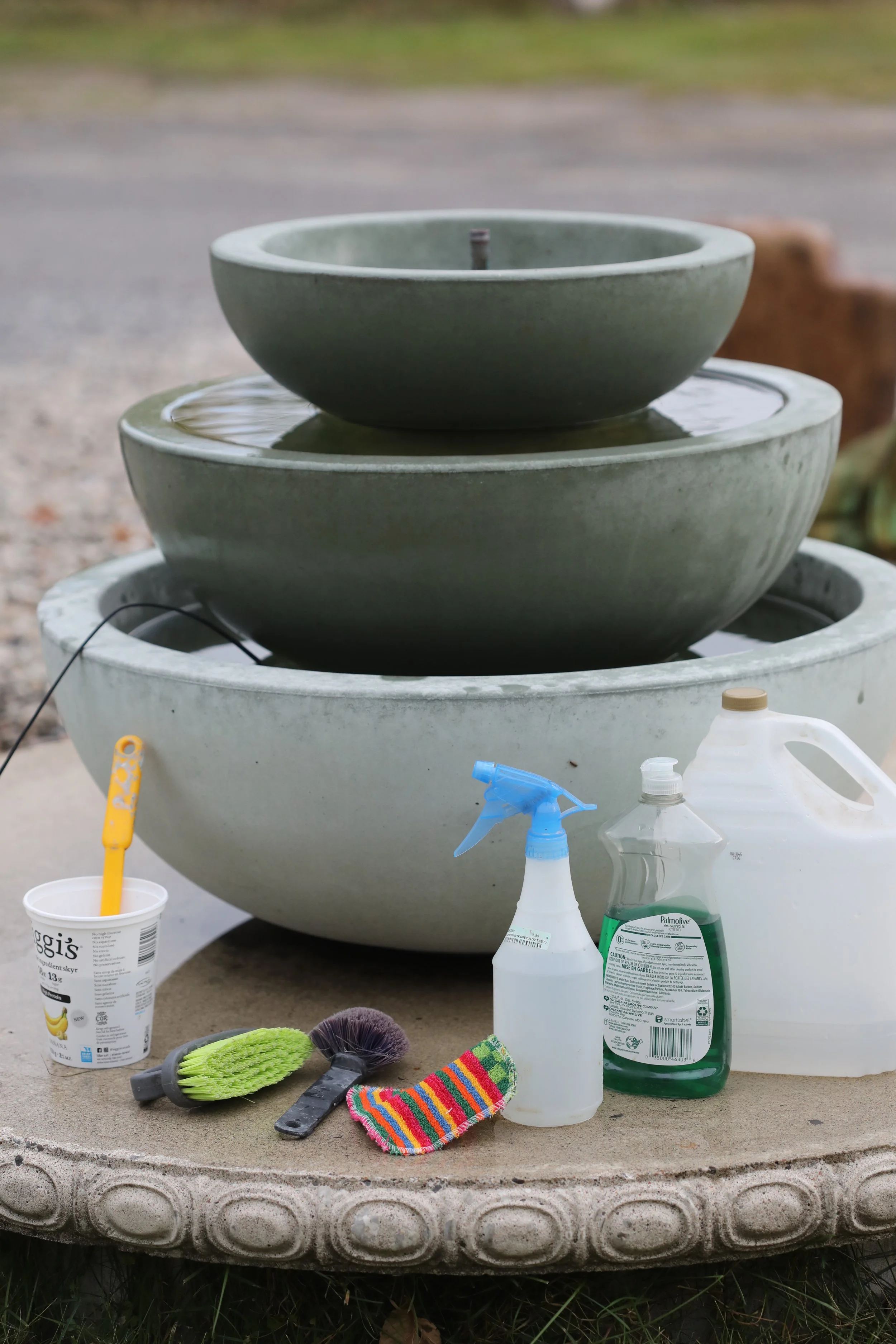
At the end of the season, clean your fountain thoroughly.
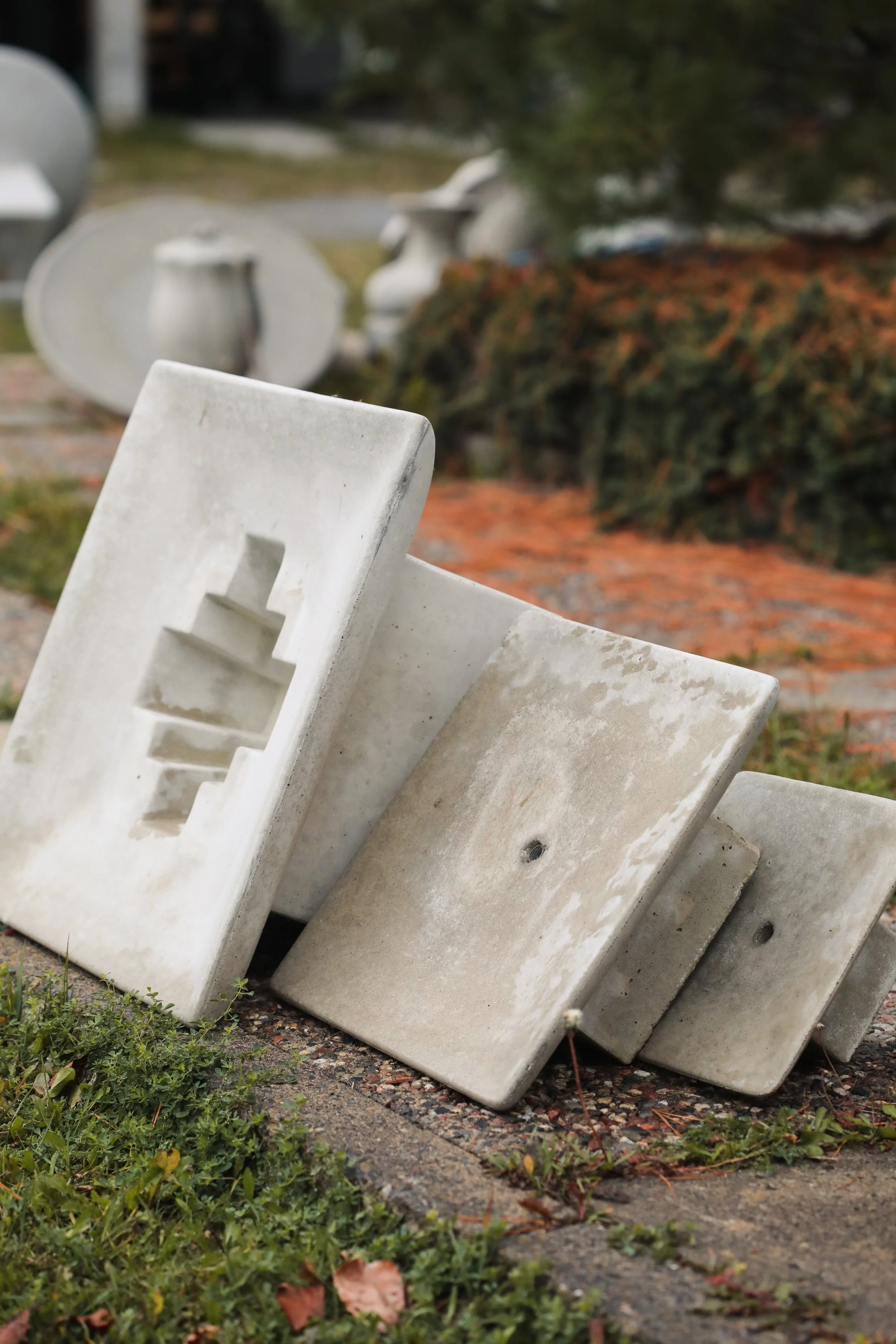
Dismantle the fountain pieces and lay vertically on their sides, or bring inside if possible.
Avoid water from freezing in the fountain bowls.
Important: Do not let the water run dry or freeze while pump is on, inside the fountain.
Concrete is a material that can expand and contract in different temperatures and humidity levels. Before the sign of first frost, follow these steps to protect your concrete fountain:
- Clean the fountain and drain all water from the bowls. It is important to prevent water from accumulating anywhere in the fountain during the winter. If water remains and freezes, this may cause cracking.
- Never use abrasive cleaners or brushes to clean your fountain. It is recommended to use a mixture of diluted vinegar and water or any mild dish/washing detergent. Use a cloth, sponge, or soft-medium density nylon bristle brush. You may use pressure washer on the lowest setting.
- Clean the fountain pump every few months, and before putting away for the winter. Use soap and water, or submerge in a mixture of white vinegar and water. Clean with a small, soft brush to remove debris and algae buildup.
- A water based, clear concrete sealer may be applied to the inside walls of the bowls to aid in cleaning and moisture retention.
- If your fountain has a colour stain finish, re-applying a clear concrete sealer or spray every couple of years will prolong the appearance of the surface colour. Allow sealer to dry completely before next steps.
- If possible, dismantle fountain pieces and place bowls vertically on their side, or bring inside for the winter. If unable to bring the fountain pieces inside, it is recommended to store the pieces in any covered area such as a garage, porch, or shed before the coldest months arrive.
- Remove all internal components - pump, copper pipe, tubes, stoppers, lights, etc. and store inside. The fountain pump may remain in fountain for the winter, but it must remain completely dry and insulated. We recommend to bring it inside to ensure it is ready to use next season.
- If you cannot dismantle the fountain for the winter, ensure the fountain is dry, wrap the pump cord inside the pump housing, then cover with waterproof canvas or Tyvek and wrap tightly to ensure it stays in place. Ensure the material is taut enough that no snow or water will pool in the fountain cover or the layers of the fountain. Using plastic tarps has been done however, it is not recommended. The plastic can hold moisture, causing freeze-thaw stress on the cast stone/concrete. Fountain covers are readily available at various garden centre retailers or online.
- Ensure your fountain base/pedestal is placed above the frost line/ground surface. Apply a small layer of stone, pot feet or any type of riser underneath to prevent water freeze/thaw damage at the base of the fountain.
-If your fountain has a stained colour finish, do not use abrasive chemical cleaners or bleach. Keep away from road salt or gardening chemicals, as these may damage the finish. Visit our Concrete Finishes Care page for more tips.
BIRBATHS

Make sure ice does not freeze/thaw in your bird bath bowl.
At the sign of first frost:
- Drain all water from bowls.
- If possible dismantle the birdbath and place the water bowl vertically on the side, or store the bowl indoors. It is recommended to store birdbaths in a covered area such as a garage, covered porches, or shed before the coldest months arrive.
- If you cannot dismantle the birdbath, then cover with weatherproof canvas or Tyvek and wrap to ensure that it stays in place. Using plastic is not recommended. The plastic can hold moisture in and will freeze and thaw causing stress on the cast stone/concrete.
-If your birdbath has a stained colour finish, do not use abrasive chemical cleaners or bleach. Keep away from road salt or gardening chemicals, as these may damage the finish. Visit our Concrete Finishes Care page for more tips.
PLANTERS

Treat your planters right, and your plants will thank you.
At the sign of first frost:
- Empty your planters completely of all soil and plant debris. Soil in containers should always be replaced yearly to ensure that plants would thrive.
- It is recommended to store planters in a covered area such as a garage, covered porches, or shed before the coldest months arrive.
- If storage is not possible, turn planter on its side, upside down, or cover with weatherproof canvas or Tyvek. Using plastic is not recommended because it can hold moisture and will freeze and thaw causing stress on the cast stone/concrete.
- A water based clear concrete sealer may be applied to the inside walls of the planters and bowls (and re-applied periodically). This may help with cleaning and plants that need more soil moisture.
- Ensure your planters are placed above the frost line/ground surface. Apply a small layer of stone, pot feet or any type of riser underneath to prevent water freeze/thaw damage.
-If your planter has a stained colour finish, do not use abrasive chemical cleaners or bleach. Keep away from road salt or gardening chemicals, as these may damage the finish. Visit our Concrete Finishes Care page for more tips.
General winterizing tips
The most important things to consider for overwintering your concrete pieces are preventing moisture absorption and avoiding chemical damage.
Avoid chemicals: Keep concrete items away from harsh road salts, chemical de-icers or gardening chemicals.
Prevent Water Absorption: Do not allow water to fill and freeze inside any basin, bowl or items that can hold water. The repeated ice freeze/thaw cycle may damage or crack the item.
Apply a Sealer: If your item has a colour stain or clear sealer, re-applying a breathable, high-quality water based concrete sealer every 3 to 5 years is suggested.
Elevate, Move or Wrap: Items that may fill up with water/ice should be protected from the harsh winter by wrapping or covering them. Items may be stored in covered areas such as a garages, covered porches, or sheds before the coldest months arrive. If keeping planters full during winter (decorated winter planters) ensure they are placed above the frost line/ground surface. Apply a small layer of pea stone, pot feet or any type of riser underneath to prevent water freezing damage.